Introduction to Gyro Meat
Gyro meat is the epitome of Mediterranean comfort food, a deliciously spiced and marinated creation that deserves a spot on your dinner table. Originating from Greece, this flavorful dish has captured the hearts (and taste buds) of food lovers around the world. So why is gyro meat a must-try?
Flavor Explosion
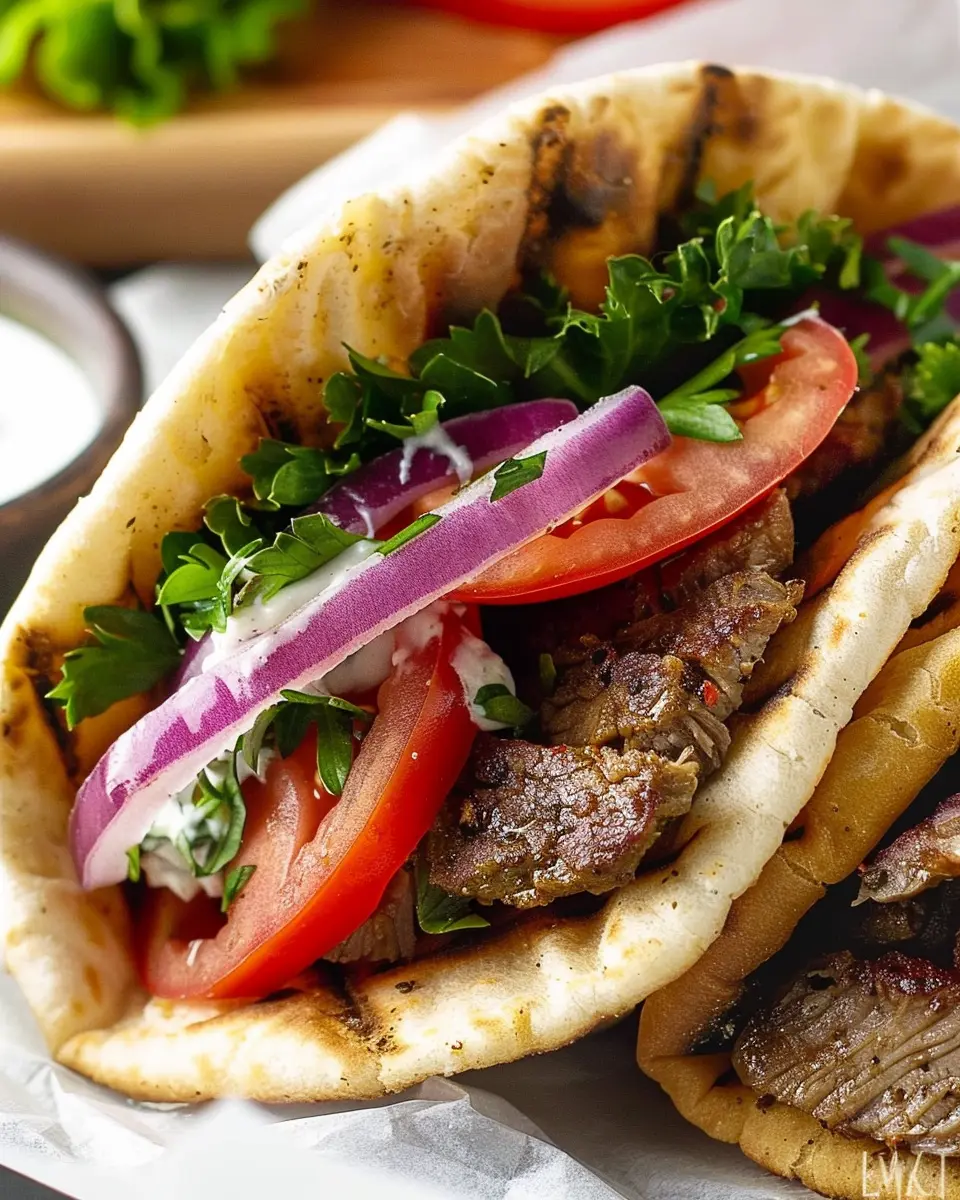
First and foremost, gyro meat is all about the flavors. It’s typically made from beef or a mix of beef and lamb, seasoned with a mouthwatering blend of herbs and spices like oregano, garlic, and rosemary. When cooked, this savory mixture is shaved thin and often served in warm pita bread, complemented by fresh veggies, and drizzled with creamy tzatziki sauce.
Consider this: a study by the Food Science and Technology Department highlighted how proper seasoning enhances palatability, making dishes like gyro meat not just appealing but addictively delicious. Each bite offers a symphony of flavors that can elevate any meal from mundane to spectacular.
Versatility and Customization
Another reason gyro meat is a culinary delight is its versatility. Whether you appreciate a classic gyro sandwich, a fresh salad topped with sliced gyro meat, or even a hearty wrap, the options are nearly limitless. Plus, you can easily customize your gyro experience. Swap out traditional meats for choices like turkey bacon or chicken ham, giving it a unique twist while still maintaining that authentic gyro flavor.
Easy to Prepare
Gyro meat might sound like an intimidating dish to prepare, but it’s actually quite straightforward! You can marinate the meat a day in advance, allowing the spices to meld beautifully, which means you can enjoy tender, juicy gyro meat with minimal effort during the week.
If you’re curious to learn more about Mediterranean cuisine, the Mediterranean Diet offers plenty of resources and delicious recipes that can bring healthy and flavorful options to your table.
Conclusion
So, next time you’re pondering what to make for dinner, consider gyro meat. With its rich flavors, endless ways to enjoy it, and the consequent joy it brings, this dish is not just a meal — it’s an experience. You won’t be disappointed!
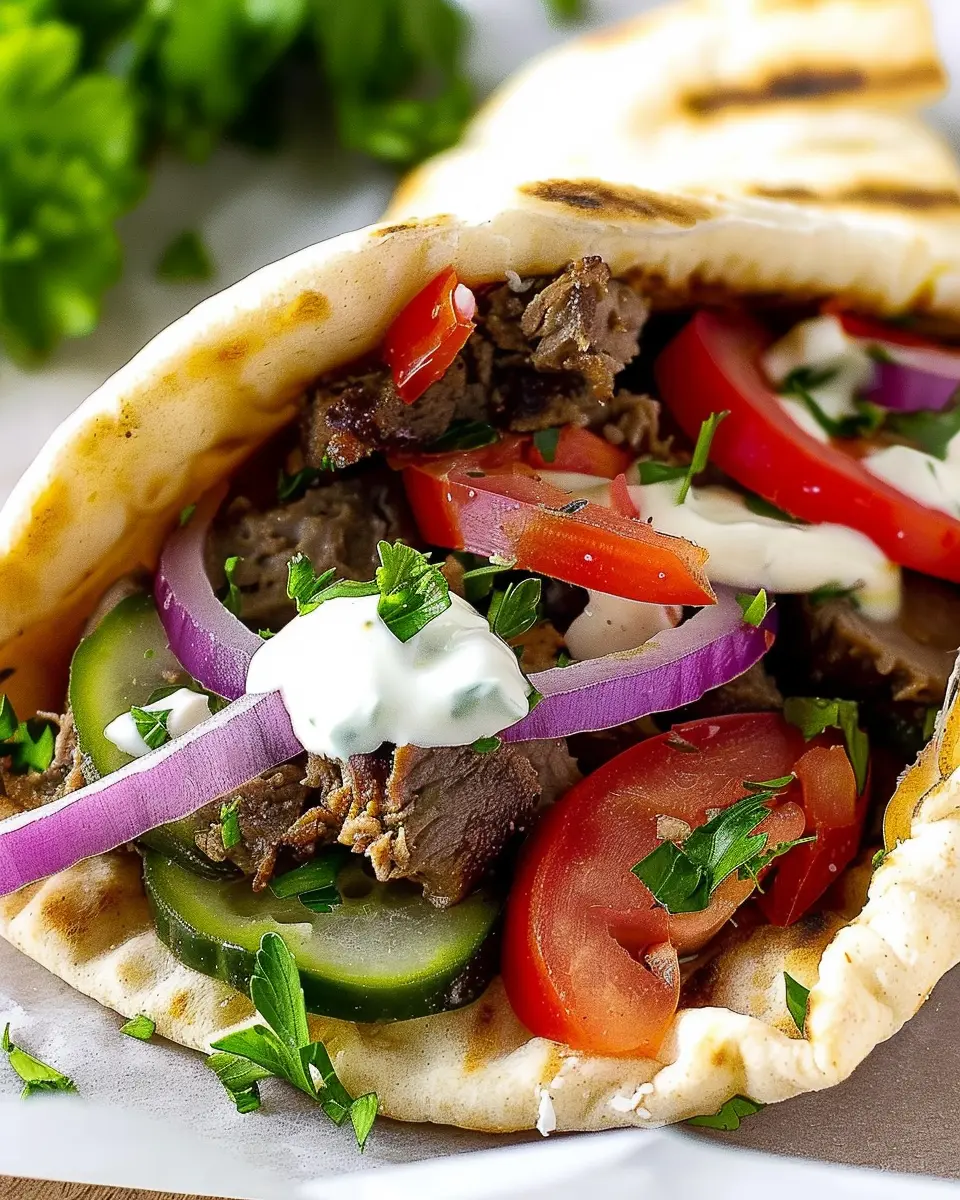
Ingredients for Gyro Meat
When making gyro meat, the right ingredients can make all the difference in flavor and texture. Let’s explore what you need to create this delicious dish.
Key Ingredients You’ll Need
To whip up an irresistible gyro meat, you’ll need a few key components:
- Ground beef: This serves as the main protein and provides that classic savory flavor.
- Onion: Freshly grated, it adds moisture and sweetness to the mix.
- Garlic: Minced garlic enhances the depth of flavor.
- Spices: Don’t skimp on dried oregano, cumin, and paprika for that signature Mediterranean taste.
- Salt and pepper: Essential for seasoning.
For a fun twist, consider using Greek yogurt for marinating or serving.
Possible Substitutions for Your Gyro Meat
If you’re short on any specific ingredients, don’t fret. Here are some easy substitutes:
- Turkey bacon can replace traditional pork options if you’re looking for a leaner choice.
- Chicken ham can be used as an alternative protein source, keeping the dish light.
- If fresh herbs aren’t handy, dried versions will work just fine, although fresh is always preferred for that extra kick.
Get creative, and don’t hesitate to customize your gyro meat to suit your taste buds! Want to dive deeper into the Mediterranean spices? Check out this guide on essential spices for more ideas.
Preparing Gyro Meat
If you’re ready to embark on a delicious culinary adventure, making gyro meat at home is an exhilarating experience. With a bit of time and effort, you can enjoy the rich, flavorful goodness of homemade gyro. Let’s dive into the steps to bring this flavorful dish to life.
Gather and prepare your ingredients
Before you start the actual preparation, gather all your ingredients. Having everything ready makes the process smoother and more enjoyable. For the perfect gyro meat, you’ll need:
- Ground Beef (or a mixture of beef and lamb if you’re feeling adventurous)
- Fresh herbs: Oregano, thyme, and parsley work wonders together
- Garlic and onion: Essential for that aromatic base
- Spices: Cinnamon, allspice, and paprika add depth
- Salt and pepper: Don’t forget these staples!
Additionally, you might want some pita bread, tzatziki sauce, and fresh vegetables for serving. Preparing your ingredients not only sets you up for success but also builds anticipation for the delicious meal ahead.
Blend the aromatics until smooth
Next, let’s blend our aromatics—or herbs and spices—until they are smooth, creating a flavor-packed mixture. In a food processor, combine:
- Onions (roughly chopped)
- Garlic (minced)
- Fresh herbs
Pulse until everything is finely chopped and begins to form a smooth paste. This step is crucial as it ensures that the flavors are evenly distributed throughout your gyro meat.
If you don’t have a food processor, a good old-fashioned chopping board and knife work just fine. Just make sure to chop everything as finely as you can to infuse the flavors into the meat.
Mix the meat and seasonings to form a paste
Now comes the fun part: combining your beef with the blended mixture of herbs and spices. In a large bowl, add:
- Ground Beef
- The aromatic blend you just prepared
- Salt and pepper to taste
Using your hands, mix everything until it’s well combined, almost like forming a thick paste. The key here is to not overmix but to ensure that everything is nice and combined. You’ll end up with a slightly tacky texture that holds together well.
Shape and compact the gyro mixture in a loaf pan
With your seasoned mixture ready, it’s time to shape it. Transfer the gyro meat mixture into a loaf pan, pressing down firmly to compact it. This tight packing is critical for maintaining its shape while cooking, ensuring every slice has a perfect bite.
If you want to get creative, you can also shape it into a log using your hands! Just remember that this needs to be uniform so it cooks evenly.
Bake the mixture until perfectly cooked
Preheat your oven to 350°F (175°C). Place the loaf pan into the oven and bake for about 45 minutes to an hour, or until the internal temperature reaches 160°F (71°C). Cooking at this temperature ensures that your gyro meat is juicy without being dry.
While it’s baking, the aroma filling your kitchen will be nothing short of heavenly. Just think about how good it will taste! A meat thermometer can really help you nail the perfect doneness.
Chill and slice the roasted gyro meat
Once done, remove it from the oven and allow it to cool. Chilling the gyro meat will help firm it up, making it easier to slice. After about 15-20 minutes, take out your loaf and carefully flip it onto a cutting board.
Slice thinly, aiming for about ¼ inch pieces. You want them thin enough to cook quickly when you sear them later, but thick enough to retain some juiciness.
Sear the slices for that crispy texture
Now comes the finishing touch: searing! Heat a little olive oil in a frying pan over medium-high heat and add your sliced gyro meat. Sear each side until golden brown and crispy, typically about 2-3 minutes per side. This step is key for adding that delightful crunch while the inside remains juicy.
Serve your homemade gyro meat in pita bread with a dollop of tzatziki and a mix of your favorite vegetables, like diced tomatoes and cucumbers. Trust me; your friends will think you’ve opened your own little gyro shop!
By following these steps, you can turn your kitchen into a hub of deliciousness and enjoy homemade gyro meat that rivals your favorite restaurant. Bon appétit!
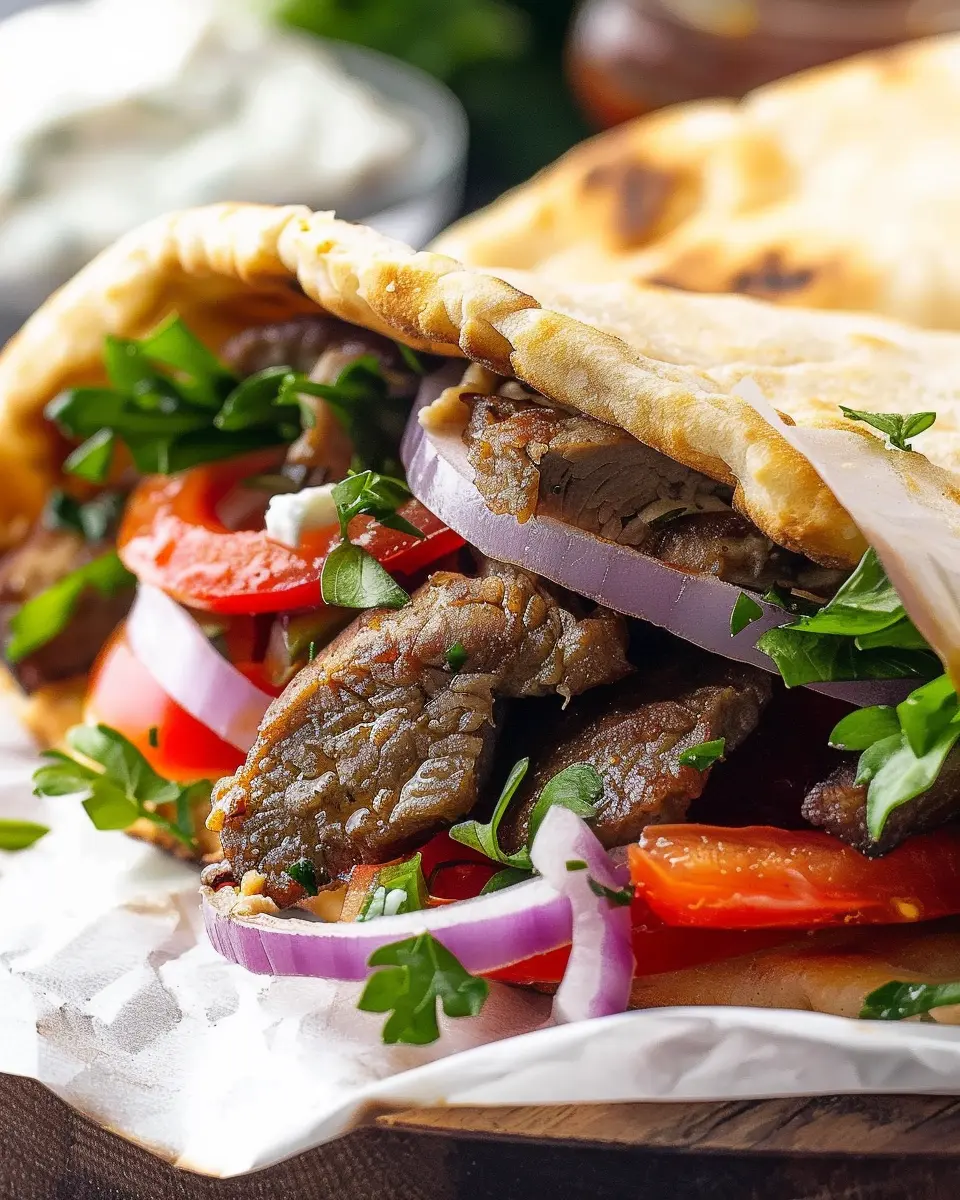
Variations on Gyro Meat
When it comes to gyro meat, the classic preparation usually features the rich and savory flavors of lamb. This traditional option offers a delightful combination of spices, garlic, and herbs, typically formed into a loaf and roasted on a vertical spit. If you’ve never tried it, you’re truly missing out on an unforgettable culinary experience!
Chicken Gyro Meat Option
If you’re leaning toward a lighter version of gyro meat, chicken is a fantastic alternative. Marinated in a zesty blend of lemon, yogurt, and Mediterranean spices, chicken gyro meat maintains the delicious essence typical of gyros but is lower in calories. Grill or roast the chicken for a smoky flavor and serve it with fresh vegetables and tzatziki for a satisfying meal. Want to explore more about healthy meat options? Check out Healthline for nutrition tips.
Vegetarian Alternatives Using Portobello Mushrooms
For those embracing a plant-based lifestyle, portobello mushrooms make an excellent substitute for gyro meat. Their meaty texture and ability to absorb flavors make them particularly delicious when marinated in a similar blend of herbs and garlic. Grill or sauté the mushrooms until they’re tender, then slice them for use in wraps or bowls. This vegetarian option not only satisfies your taste buds but also provides a hearty dose of nutrients. Need more plant-based inspiration? Visit Choosing Chia for delightful recipes!
No matter which variation you choose, you’ll find that each has its own unique charm and flavor profile. So go ahead, get creative, and enjoy delicious gyros in whichever style suits your taste!
Cooking tips and notes for Gyro Meat
Ensuring the right texture
To achieve that iconic gyro meat texture, it’s crucial to blend your ingredients well. An effective method is to use a food processor, which merges the flavors while also breaking down the proteins for a smooth consistency. Aim for a paste-like texture; this not only helps with moisture retention during cooking but also allows for even cooking. Experimenting with spices like oregano and garlic will also enhance the aromatic experience!
Proper slicing techniques for optimal results
Once your gyro meat is cooked, slicing it correctly is key to a satisfying bite. Using a sharp knife, slice the meat thinly and at a slight angle. This technique not only presents beautifully but also allows the flavors to shine through. Remember, the thinner the slice, the more tender your bite will be!
Tips for achieving that perfect crispy exterior
To achieve that coveted crispy exterior, consider the cooking method. If you’re baking, increase the oven temperature towards the end of cooking for a nice char. Alternatively, if you’re grilling, use high heat for a quick sear. Don’t forget to brush a bit of oil on the outside before cooking—it makes a world of difference! For more tips on grilling techniques, check out resources at Serious Eats.
Happy cooking! Your homemade gyro meat is sure to impress your friends at your next gathering.
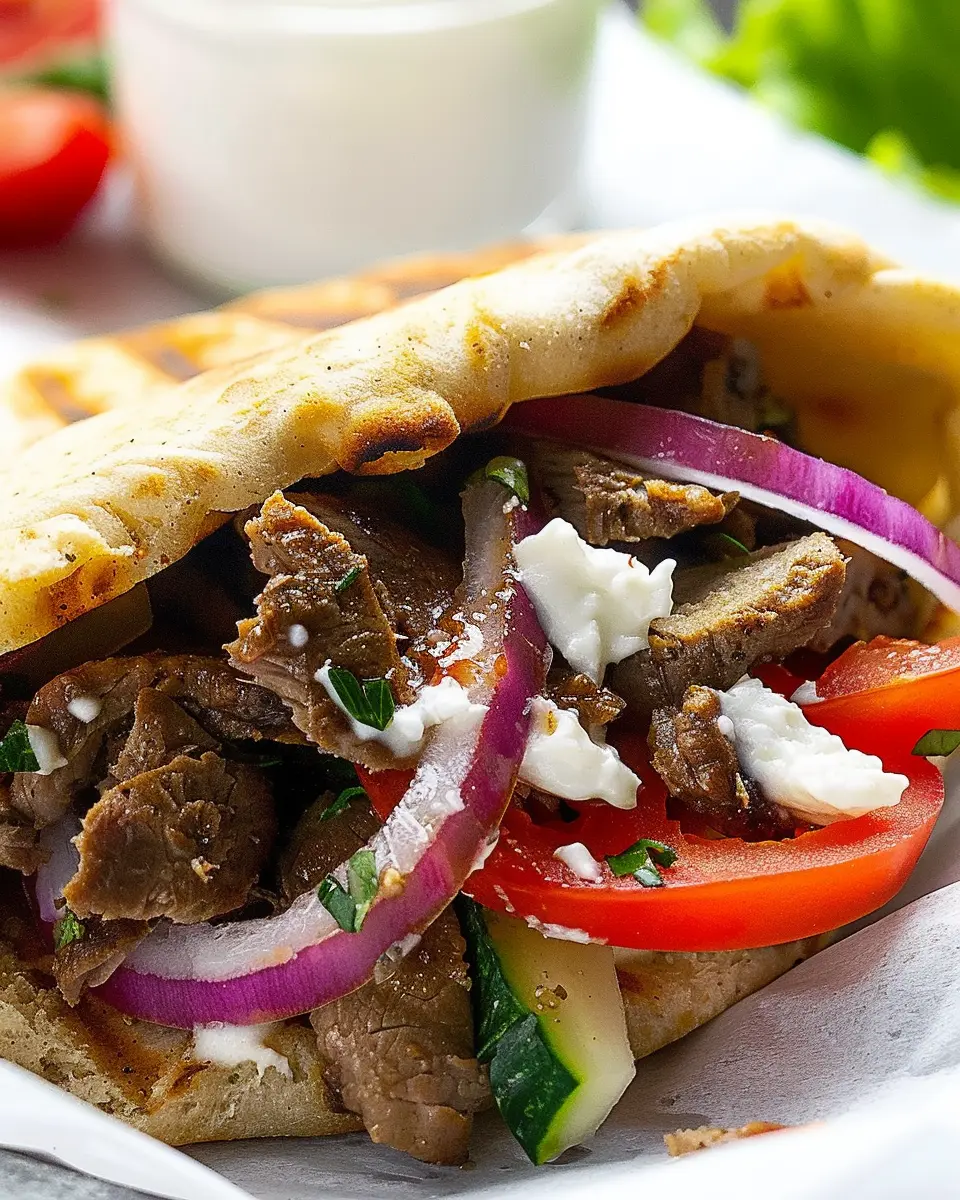
Serving suggestions for Gyro Meat
Ideal accompaniments and sauces for gyros
When it comes to enjoying your gyro meat, the right accompaniments can elevate your meal to the next level. Fresh toppings are essential—consider crisp lettuce, ripe tomatoes, and zesty onions. You can’t go wrong with a drizzle of homemade tzatziki sauce made from yogurt, cucumber, and a hint of garlic. For a unique twist, try a spicy tahini sauce or a tangy feta dressing. These sauces not only enhance the flavors but also add a creamy texture that complements the savory meat perfectly.
How to assemble a classic gyro wrap
Assembling your gyro is where the fun begins! Start with a warm pita bread as your base. Layer a generous amount of thinly sliced gyro meat followed by your choice of toppings. Don’t forget a good dollop of your favorite sauce! For a friendly presentation, wrap the pita tightly in parchment paper for easy handling, making it both delicious and portable.
Creative ideas for gyro meat leftovers
If you find yourself with extra gyro meat, fear not! Get creative:
- Gyro Meat Salad: Toss the meat over a bed of mixed greens with a light vinaigrette.
- Stuffed Peppers: Use the meat as a stuffing for bell peppers along with rice and veggies.
- Gyro Pizza: Top a flatbread or pre-made pizza crust with sauce and place pieces of gyro meat before baking.
These ideas not only minimize waste but also provide delightful variations to your meals.
For more inspiration, check out Serious Eats, which offers a wealth of recipes and ideas to keep your cooking fresh and exciting!
Time Details for Gyro Meat
Preparation Time
Making gyro meat is a rewarding experience that starts with about 15 minutes of prep. You’ll be blending the ground meat with spices and forming it into the iconic shape. Enjoy the process—this is where you can really make it your own!
Cooking Time
Once you’ve prepped your mixture, it usually takes around 60–70 minutes to cook in the oven. The goal is to reach that perfect, juicy texture that everyone loves. If you’re wondering how long to wait, it’s a great time to set the table or whip up some homemade tzatziki!
Total Time Breakdown
In total, expect to spend about 75–85 minutes on this delicious dish. With just 15 minutes of prep and an hour of cooking, you can have fresh gyro meat ready to impress at your next gathering. For more on preparing great Greek dishes, check out this resource that dives deep into Mediterranean cuisine!
Nutritional Facts for Gyro Meat
Calories per Serving
When diving into the delicious world of gyro meat, you’ll find that one serving contains approximately 300-400 calories. This makes it a satisfying yet manageable option for those mindful of their calorie intake. Pair it with fresh veggies and pita for a wholesome meal!
Protein Content
One of the most attractive aspects of gyro meat is its impressive protein content, packing around 20-25 grams per serving. This makes it a fantastic choice for post-workout meals or a protein-rich lunch. Protein is essential for muscle repair and satiety, so you’re on the right track by choosing this flavorful option.
Breakdown of Fats and Carbs
Gyro meat typically contains about 15-20 grams of fat, which can vary depending on the cut of meat used. Most of these fats are healthy, especially if you’re using lean beef. Carbohydrates, on the other hand, are minimal—usually around 5-10 grams per serving. The balance of fats and carbs with this dish supports a moderate macronutrient profile, ideal for maintaining energy levels without overindulgence.
For a deeper dive into the benefits of various meat sources in your diet, check out these resources on the Nutritional Benefits of Lean Meats and Protein’s Role in Muscle Repair.
Enjoying your gyro meat not only satisfies your taste buds but also supports your nutritional needs, making it a versatile addition to your menu!
FAQs about Gyro Meat
How can I ensure my gyro meat stays moist?
Keeping your gyro meat moist is crucial for that delicious flavor and satisfying texture. The key is to not overcook it. Use an instant-read thermometer to check the internal temperature, aiming for around 165°F (74°C). Additionally, incorporating some olive oil or a bit of chicken broth into your meat mixture can help retain moisture. Finally, allowing the meat to rest for a few minutes after cooking lets the juices redistribute, resulting in a tender bite.
What’s the best way to store and reheat gyro meat?
Storing your leftover gyro meat properly can help maintain its flavor and texture. Place it in an airtight container in the refrigerator, where it will last for about 3-4 days. If you need it to last longer, consider freezing it; it should be good for about 3 months. When reheating, a skillet or oven will help retain moisture better than a microwave. Just heat it gently to avoid dryness – this way, you can enjoy delicious, tender gyro meat anytime!
Are there gluten-free options for wrapping gyros?
Absolutely! If you’re seeking gluten-free alternatives, there are various options available. Look for gluten-free pita bread or tortillas at your local grocery store, or make your own using almond flour or chickpea flour. Additionally, serving gyro meat over salad or with gluten-free sides is a fantastic way to enjoy the flavors without the gluten. For further reading on gluten-free living, you might check out the Gluten Intolerance Group for great insights.
Conclusion on Gyro Meat
Why You Should Try Making Gyro Meat at Home
Making gyro meat at home is a rewarding culinary adventure that allows you to customize flavors to your liking. By preparing your own, you can control the quality of ingredients and avoid preservatives commonly found in store-bought versions. Imagine savoring freshly sliced, seasoned beef, combined with the aromatic herbs that make this dish so beloved!
Plus, it’s an opportunity to impress friends at your next gathering. Serve it with fresh pita bread, crisp veggies, and a homemade tzatziki sauce for a delicious meal that feels both gourmet and comforting. Give it a try and indulge in the joy of creating this classic dish in your own kitchen!
For more tips on perfecting your culinary skills, check out resources from Serious Eats or Bon Appétit.
PrintGyro Meat Bliss: Easy Recipes for Flavorful Homemade Wraps

A delicious guide to making gyro meat at home, perfect for wraps!
- Prep Time: 15 minutes
- Cook Time: 1 hour
- Total Time: 1 hour 15 minutes
- Yield: 6 servings 1x
- Category: Main Course
- Method: Baking
- Cuisine: Greek
- Diet: Gluten-Free
Ingredients
- 2 pounds ground lamb
- 1 teaspoon garlic powder
- 1 teaspoon onion powder
- 1 teaspoon dried oregano
- 1 teaspoon ground cumin
- 1 teaspoon salt
- ½ teaspoon black pepper
- ½ teaspoon paprika
- 1 tablespoon olive oil
Instructions
- Preheat your oven to 350°F (175°C).
- In a large bowl, combine the ground lamb with garlic powder, onion powder, oregano, cumin, salt, black pepper, and paprika.
- Mix well until all ingredients are thoroughly combined.
- Shape the mixture into a loaf and place it in a baking dish.
- Drizzle olive oil over the top of the loaf.
- Bake in the preheated oven for 1 hour, or until the internal temperature reaches 160°F (70°C).
- Allow to rest for 10 minutes before slicing thinly.
Notes
- For extra flavor, marinate the meat mixture for a few hours or overnight.
- Serve on pita bread with tzatziki sauce and fresh vegetables.
Nutrition
- Serving Size: 1 wrap
- Calories: 300
- Sugar: 0g
- Sodium: 400mg
- Fat: 18g
- Saturated Fat: 7g
- Unsaturated Fat: 8g
- Trans Fat: 0g
- Carbohydrates: 5g
- Fiber: 1g
- Protein: 25g
- Cholesterol: 80mg
Keywords: Gyro Meat, Homemade Wraps, Easy Recipes