Introduction to How to Make Macarons
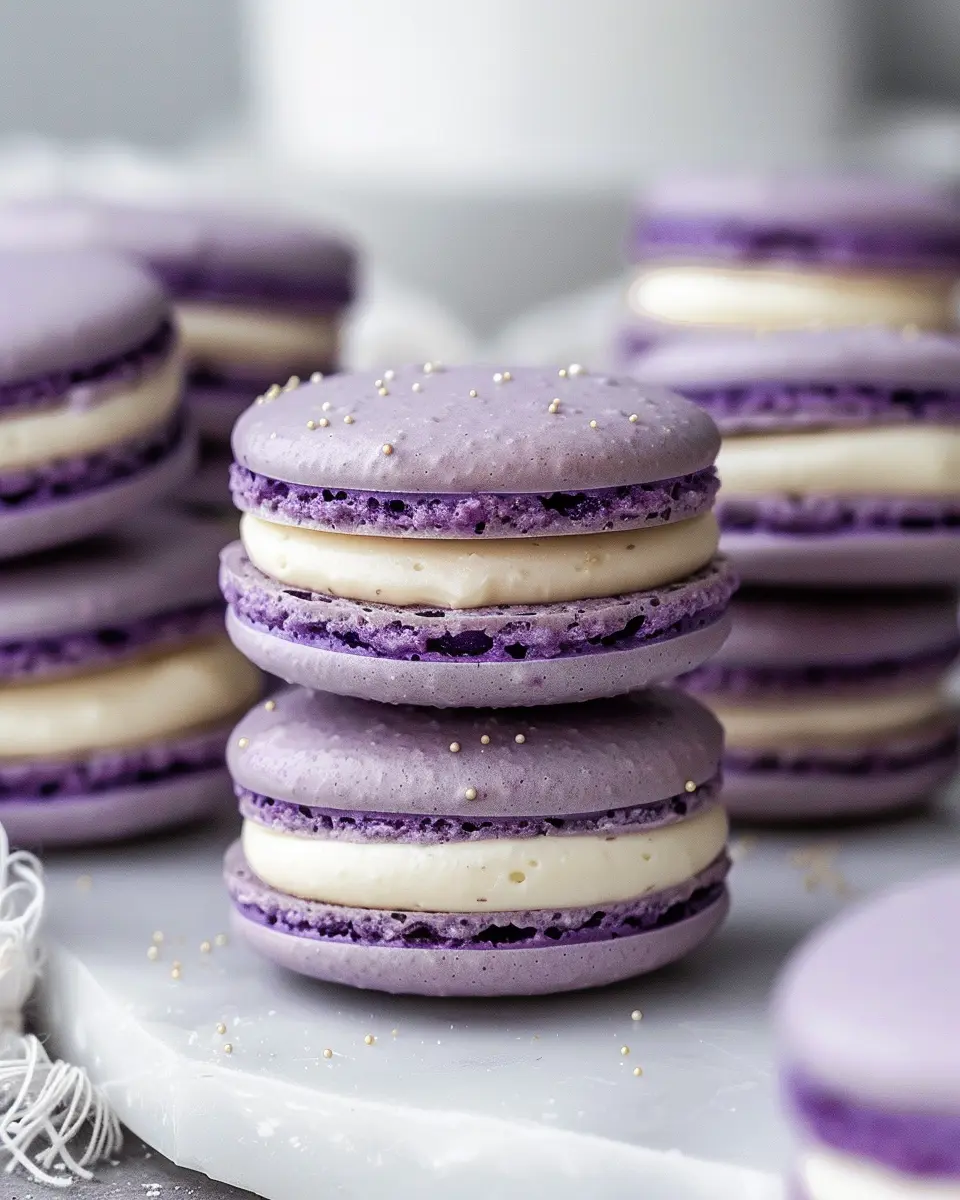
Macarons, those colorful and delicate treats, have become the darling of dessert tables everywhere. This little French confection may seem intimidating at first, but take heart! Learning how to make macarons can be an incredibly rewarding challenge for home cooks.
Why are these tiny treats so captivating? Well, they’re not just about their beautiful appearance; macarons boast a unique texture and flavor that makes them stand out among other desserts. You might’ve heard that they require precision and finesse, and while that’s true, it’s also what makes the journey so exciting. You’re not just following a recipe; you’re crafting an art piece. If you’re curious about the science behind the perfect macaron, sites like Serious Eats delve into the details of macaron-making, exploring everything from meringue to filling.
Breaking down the process also makes it approachable. You’ll combine ingredients such as almond flour, powdered sugar, and egg whites to create that iconic meringue. It’s a surprisingly meditative process—each step requires a bit of focus, turning your kitchen into a mini pastry lab. And imagine the delight on your friends’ faces when you unveil your homemade macarons at your next gathering. What a fantastic way to impress them!
To further sweeten the deal, mastering how to make macarons opens up doors for creativity. You can experiment with various flavors and color combinations, making every batch uniquely yours. Want a fun twist? Try incorporating spices or teas to change up the flavor profile! There are endless possibilities.
So, whether you’re embarking on your cooking journey or just looking to refine your skills, macarons are a wonderful project that promises both learning and delicious rewards. In the upcoming sections, we’ll cover step-by-step instructions to demystify the process, so you can move forward with confidence. Get ready to roll up your sleeves and dive into the world of macarons; you might just discover a new passion along the way!
Ingredients for Macarons
When learning how to make macarons, having the right ingredients is absolutely crucial to your success. Here’s a list of what you’ll need to whip up these delightful French confections:
- Almond Flour: This is the star of the show! Finely ground almond flour gives the macarons their distinct texture and flavor.
- Powdered Sugar: This sweetener blends beautifully with the almond flour, helping to create that signature smooth shell.
- Egg Whites: Fresh egg whites, preferably aged, are essential for creating the perfect meringue. They provide the structure needed for those iconic macaron feet.
- Granulated Sugar: This sugar is used to stabilize your meringue, giving it the right level of sweetness and support.
- Flavorings: You can get creative here! Whether you prefer vanilla extract, cocoa powder, or fruit purées, choose flavors that excite your taste buds.
- Food Coloring: If you want your macarons to have a pop of color, gel food coloring works best without altering the structure.
With these simple ingredients, you’re well on your way to mastering how to make macarons. For more tips on ingredient selection and quality, check out this resource on baking essentials. Happy baking!
Step-by-Step Preparation of Macarons
Making macarons can seem intimidating, but with a little guidance, you can create these delightful French confections in your own kitchen. Let’s dive into the step-by-step preparation of macarons to help you whip up these colorful treats with ease.
Gather Your Ingredients and Equipment
Before you begin, it’s essential to gather all the necessary ingredients and equipment. Here’s what you’ll need:
Ingredients:
- 1 cup (120g) powdered sugar
- ½ cup (50g) almond flour
- 2 large egg whites, at room temperature
- ¼ cup (50g) granulated sugar
- A pinch of salt
- Food coloring (optional)
- Filling of your choice (ganache, buttercream, or jam)
Equipment:
- Mixing bowls
- Electric mixer (or whisk)
- Rubber spatula
- Kitchen scale (optional but recommended)
- Sifter
- Piping bag with a round tip
- Baking sheets
- Parchment paper or silicone baking mats
Get everything ready and create a pleasant workspace for yourself. You’ll feel more organized and excited to start!
Prepare the Baking Sheets
Line your baking sheets with parchment paper or silicone mats. For added precision, you can draw circles on the underside of the parchment to guide your piping. Make sure to leave some space between the macarons for expansion while baking.
Sift Dry Ingredients Together
Sifting is critical for macaron-making because it ensures the powdered sugar and almond flour are well combined and free from lumps. This step contributes to achieving a smoother batter. Combine one cup of powdered sugar and half a cup of almond flour and sift them into a bowl. It’s a small step, but trust me, it makes a big difference in texture!
Whip the Egg Whites to Stiff Peaks
In a clean mixing bowl, start whipping your room temperature egg whites. Gradually sprinkle in the granulated sugar and a pinch of salt. Keep whipping until you reach stiff peaks. This means that when you lift the whisk out of the bowl, the peaks should stand tall and not collapse. Stiffly beaten egg whites create that iconic delicate structure of macarons. You can find more tips on whipping egg whites effectively here.
Combine Dry Ingredients with Meringue
Once your egg whites are ready, gently fold in the sifted dry ingredients. Be careful not to deflate the meringue; this is where many beginners go wrong. Use a rubber spatula and fold until fully combined. The batter should flow smoothly and form a ribbon when lifted. If using food coloring, you can add it now.
Pipe the Macaron Shells
Transfer the batter to a piping bag fitted with a round tip. Pipe small circles onto the prepared baking sheets, keeping about an inch of space between each. It’s okay if they’re not perfect! Practice makes perfect, and these little imperfections just add character.
Rest the Piped Macarons
Let the piped macarons rest for about 30-60 minutes at room temperature. This is a crucial step that allows a skin to form on the shells, which helps them rise beautifully during baking. If you gently touch the surface, it should feel dry to the touch.
Bake the Macarons
Preheat your oven to 300°F (150°C). Once the macarons have rested, bake them one sheet at a time for about 15-18 minutes. Make sure to rotate the sheets halfway through to promote even baking. You’ll know they’re ready when they’ve formed a little “foot” on the bottom and don’t wobble when lightly tapped.
Cool and Fill the Macarons
After baking, allow the macarons to cool completely on the baking sheets before transferring them to a wire rack. Once cooled, it’s time to fill them with your desired filling—whether it’s a rich chocolate ganache, sweet buttercream, or your favorite jam. Pair similar-sized shells for a perfect match!
By following these steps, you’re well on your way to being a skilled macaron baker. Just remember, practice makes perfect, and every batch will teach you something new about how to make macarons. Enjoy the process and the delicious results!
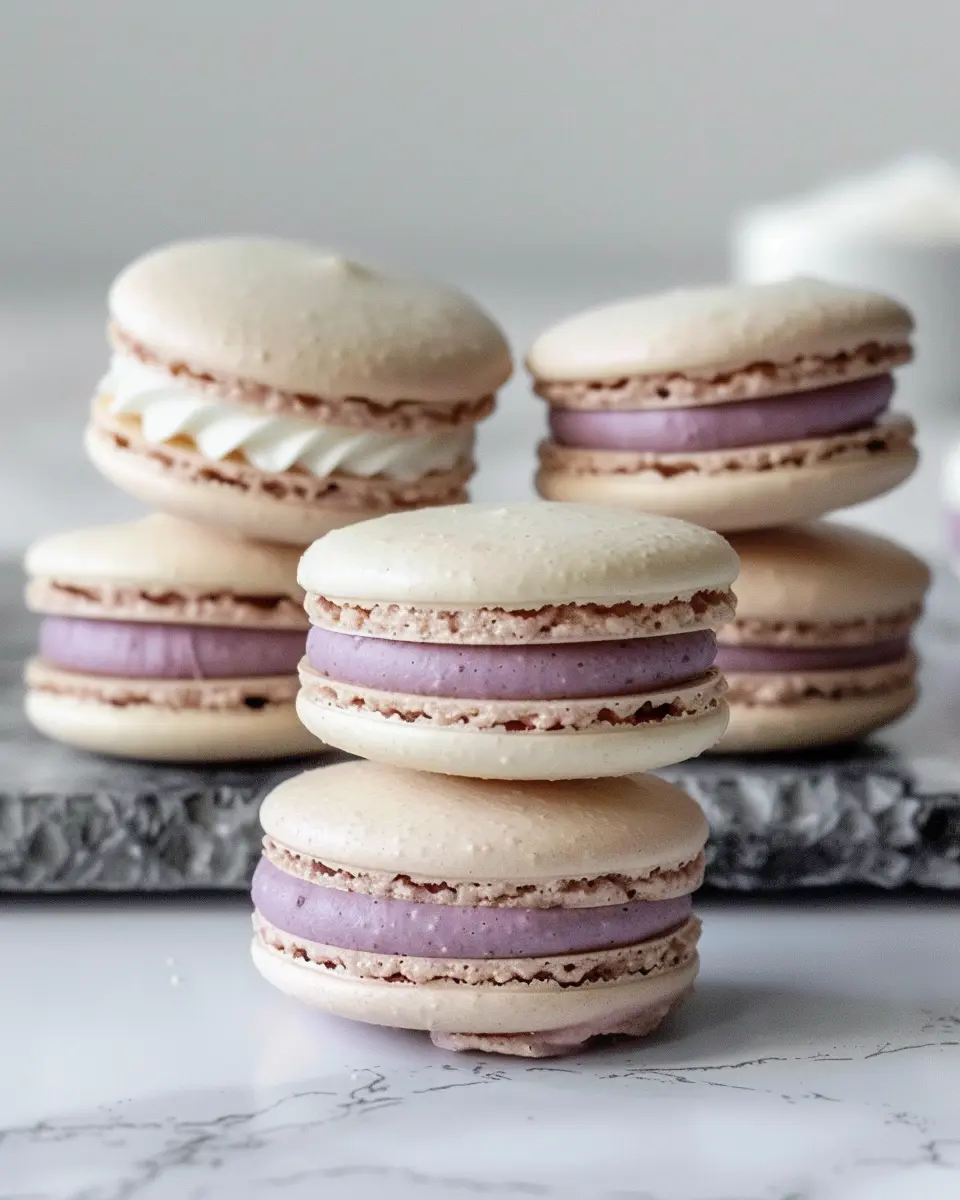
Variations on Macarons
Creating macarons gives you the chance to experiment and delight in a range of flavors! Below are a few variations that can elevate your macaron game, perfect for any beginner looking to impress.
Classic Vanilla Macarons
Nothing beats the classic! To make vanilla macarons, simply add a splash of pure vanilla extract to your meringue mixture. For an added touch, whip up a light vanilla buttercream filling. This sweet and creamy filling complements the delicate shells beautifully. You can find a great buttercream recipe on sites like Serious Eats for inspiration.
Chocolate Macarons with Ganache Filling
Love chocolate? You’ll adore chocolate macarons! For the shells, incorporate cocoa powder into your almond flour mix. The rich chocolate flavor pairs perfectly with a glossy ganache filling. By heating heavy cream and stirring in high-quality dark chocolate, you create a decadently smooth filling that makes each bite irresistible. Just a note: using good quality chocolate, like those recommended by The Chocolate Research Facility, truly enhances the flavor.
Fruity Macarons with Jam Filling
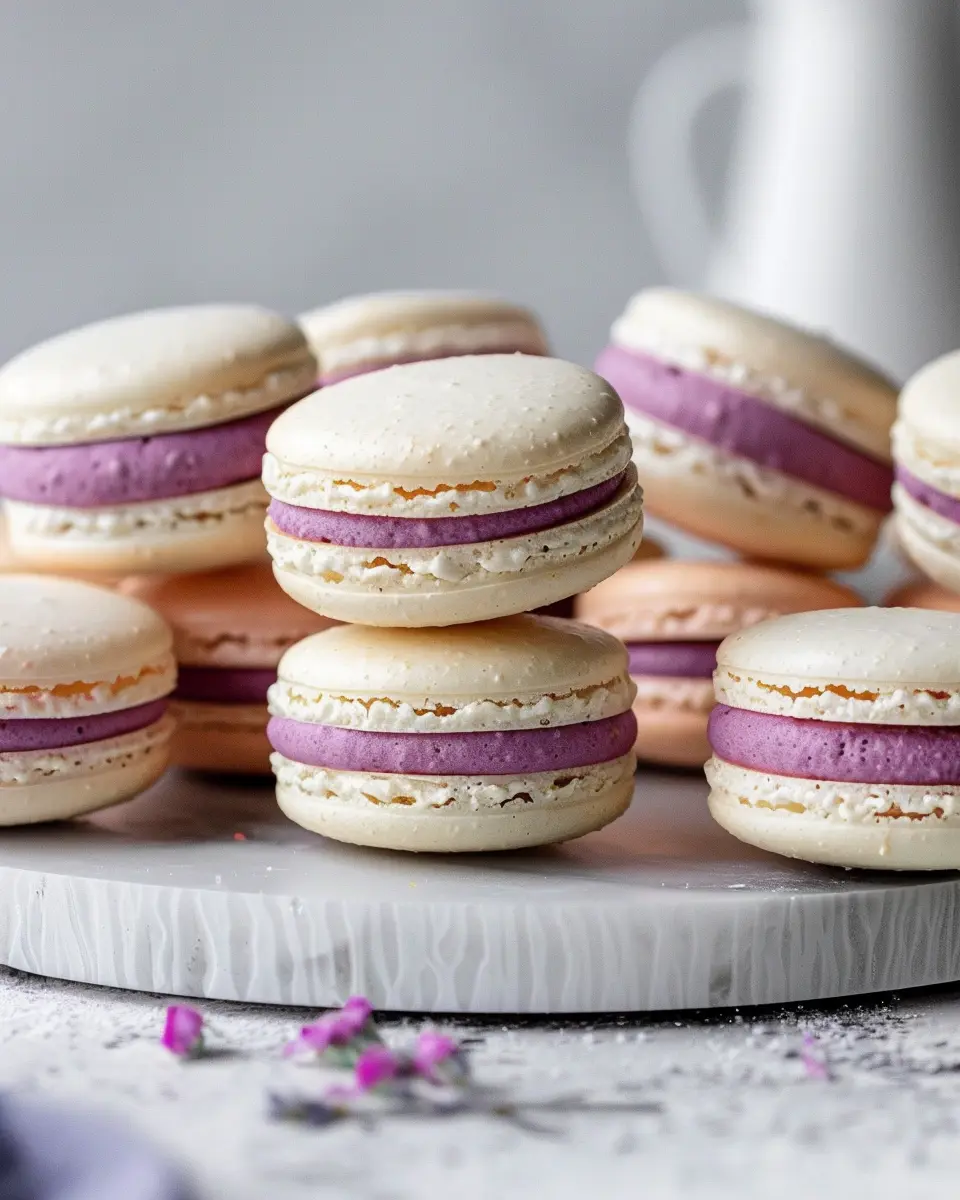
Looking to add a refreshing twist? Consider fruity macarons! Think about filling them with your favorite fruit jam—like raspberry, strawberry, or even mango. The tartness of the jam contrasts beautifully with the sweet shell, creating a delightful balance. You can also experiment with adding a hint of zest or puree in your shells for extra flavor!
By exploring these variations, you’ll not only learn how to make macarons but also tailor them to your preferences, making each batch uniquely yours. Whether you stick to the classics or venture into fruity territory, you’ll surely impress your friends and taste buds alike!
Baking Tips and Notes for Macarons
Common mistakes to avoid
When learning how to make macarons, it’s essential to sidestep some common pitfalls. One major mistake is overmixing the batter. Aim for a smooth, flowing consistency by gently folding until it resembles molten lava. Additionally, skipping the sifting process can lead to lumpy macarons. Ensure all dry ingredients are finely sifted to promote even mixing. Lastly, don’t skip the resting period before baking; it helps develop that gorgeous foot.
How to achieve the perfect macaron feet
To create those coveted macaron feet, the key is in the piping technique. Use a round tip and keep a consistent pressure while piping. Afterward, let the filled macarons rest for about 30-60 minutes until they form a skin. This step is crucial as it helps the air expand during baking, leading to the delightful feet.
For more tips, check out expert sources like The Kitchn and Serious Eats. Happy baking!
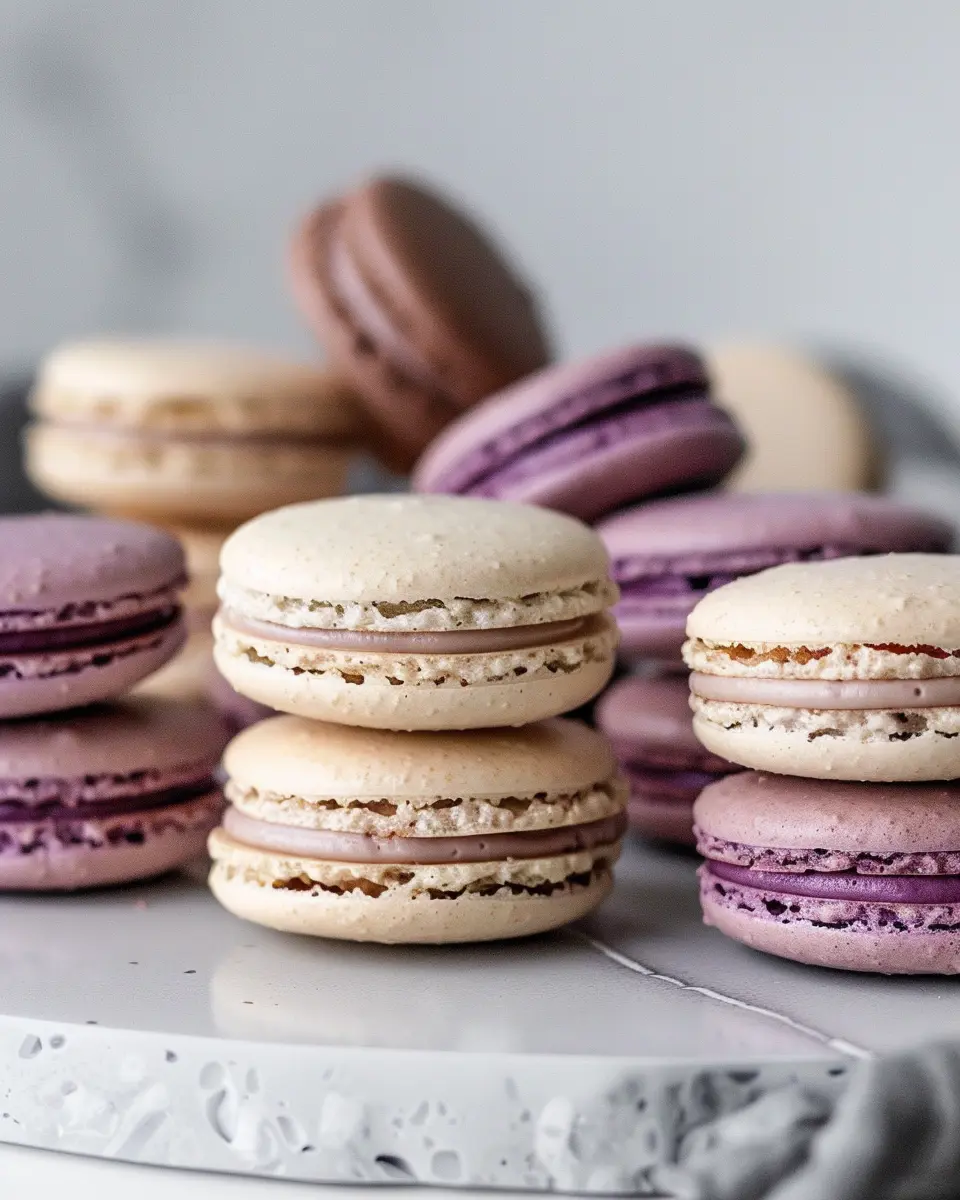
Serving Suggestions for Macarons
Pairing with Coffee or Tea
When you think about how to make macarons not just a treat but an experience, consider what you’re enjoying alongside them. These delicate confections pair beautifully with a steaming cup of coffee or a soothing herbal tea. The rich notes of a dark roast elevate flavors like chocolate or espresso macarons, while floral teas complement fruity flavors like raspberry or lemon. Don’t hesitate to explore fun coffee alternatives, like chicory or matcha lattes, for something unique!
If you’re unsure where to start, check out this superb guide on coffee pairings. Trust me, the right beverage can take your macaron experience to the next level.
Creating a Macaron Tower for Special Occasions
Elevate your gatherings with a stunning macaron tower! Stack your beautifully crafted macarons in a pyramid shape for a show-stopping centerpiece that will wow your guests—perfect for birthdays, weddings, or even a casual gathering. You can choose a color scheme that matches your event decor and select flavors to please everyone.
For easy assembly, consider using a tiered cake stand or a DIY option like constructing a foam cone covered in parchment paper. If you’re feeling adventurous, try combining flavors from the recipe to create a cohesive tasting experience. For inspiration, browse through sites like Pinterest for creative designs that will spark your imagination!
Tips for Making Perfect Macarons
Importance of Ingredient Quality
When you’re learning how to make macarons, the quality of your ingredients can truly make a difference. Choose fresh almond flour for a finer texture and better flavor. Ensure your egg whites are at room temperature, as this helps them whip up to the perfect consistency. Using organic sugar can also enhance the taste and ensures that you’re not using any unnecessary chemicals. If you’re looking for more guidance on selecting the best ingredients, sites like Serious Eats offer great insights and tips.
Ideal Kitchen Conditions for Macaron-Making
For those new to macaron-making, the surrounding environment plays a vital role. Aim for a dry, cool space; humidity is the enemy of perfect macarons. Ideally, the temperature should be between 68 to 72 degrees Fahrenheit (20–22 degrees Celsius).
Here are a few tips to create the best conditions:
- Preheat your oven properly. Every oven behaves differently, so invest in an oven thermometer for accuracy.
- Use parchment paper or silicone mats to prevent sticking and ensure even baking.
- Leave egg whites out for a few hours before whipping; this naturally brings down humidity levels.
Getting your kitchen ready may seem tedious, but a little preparation goes a long way. Plus, when you nail those macarons, you’ll be glad you did!
Time Breakdown for Macarons
When tackling the lovely task of how to make macarons, it’s helpful to have a clear time breakdown. This not only keeps the process organized but also maximizes your enjoyment. If you’re ready to dive in, here’s what you can expect:
Preparation Time
Get your kitchen ready! Preparation will take about 30-45 minutes. This is the time you’ll spend measuring ingredients, whipping egg whites, and piping those beautiful circles.
Baking Time
Once your macarons are piped, they’ll need to bake for about 12-15 minutes. It might feel like a long wait, but smelling those delightful cookies is half the joy!
Total Time
In total, set aside around 1.5 to 2 hours for everything—from prepping to baking. This may seem extensive for a cookie, but trust me, the results are worth every minute!
For a deeper dive into technique, you might find this macaron tutorial link helpful. Who knew macarons could be this approachable? Enjoy the process!
Nutritional Information for Macarons
When exploring how to make macarons, you might be curious about their nutritional value. These delightful French treats can be a bit indulgent, but knowing what goes into them helps guilt-free enjoyment.
Calories
A typical macaron contains around 100 calories, largely depending on flavors and fillings. If you’re keeping an eye on your caloric intake, remember that these are usually enjoyed one at a time, making portion control easier.
Sugar Content
The sugar content in macarons is significant, often around 10-15 grams per cookie. This sweetness is part of their charm, but be mindful if you’re tracking your sugar consumption.
Fat Content
Fat in macarons generally hovers between 4-5 grams. Most of this comes from almond flour and any butter-based fillings. For a healthier twist, consider experimenting with lower-fat fillings!
Curious about different variations? Check out this source from Healthline for more insights.
FAQs about Making Macarons
Making macarons can be a delightful and rewarding experience, but it’s not uncommon to run into a few hiccups along the way. Here are some frequently asked questions to help you conquer the art of how to make macarons and enjoy perfect treats every time.
Why did my macarons crack?
Cracked macarons can be frustrating, but knowing the culprit makes all the difference. Here are a few reasons why macaron shells might crack:
- Humidity: Macarons are sensitive to moisture, which can cause cracking. Aim for a dry day to bake.
- Inadequate drying: If your batter hasn’t rested long enough before baking, it might crack. Aim for at least 30 minutes—or until the tops are dry to the touch.
- Oven temperature: Ensure your oven is at the right temperature. A too-hot oven can lead to cracks, so consider using an oven thermometer to double-check.
For solutions, keep an eye on humidity and always let your macarons rest!
How can I fix hollow macarons?
Hollow macarons can result from under-mixing the batter or not giving them enough time to bake. Here’s how to troubleshoot:
- Mixing: Ensure you macaronnage correctly, which means mixing the batter until it flows like lava. This helps achieve the proper structure.
- Baking time: If your macarons are hollow, you may need to add a minute or two to your baking time. Remember, every oven is different!
Consider checking out this reliable guide for further insights on macaron troubleshooting.
Can I freeze macarons?
You absolutely can! Freezing macarons is a great way to enjoy them later without sacrificing quality. Here’s how:
- Before filling: You can freeze the shells for up to a month. Just place them in an airtight container.
- After filling: If filled, store in the fridge for a few days, but they can also be frozen for up to a month. Just make sure to separate layers with parchment paper.
With these tips, you’re well on your way to mastering how to make macarons! Feel free to explore more about macaron-making on culinary blogs and forums for additional tips and inspiration. Happy baking!
Conclusion on Making Macarons
Making macarons is truly an art that anyone can master with a bit of practice and patience. Experimenting with flavors, colors, and fillings allows for endless creativity. When learning how to make macarons, remember that the key is in the technique—achieving that perfect meringue and achieving a smooth finish. Don’t be discouraged by initial failures; even seasoned bakers face mishaps!
By following the tips shared in this article, you can confidently whip up delicious macarons that impress friends and family alike. For further inspiration, consider checking out Macaron School, where you can deepen your skills. Happy baking!
PrintHow to Make Macarons: Easy Beginner-Friendly Recipe Guide
Learn how to make delicious macarons with this easy beginner-friendly guide. Perfect for anyone looking to master the art of these delicate French treats!
- Prep Time: 30 minutes
- Cook Time: 20 minutes
- Total Time: 50 minutes
- Yield: 20 macarons 1x
- Category: Dessert
- Method: Baking
- Cuisine: French
- Diet: Vegetarian
Ingredients
- 1 cup almond flour
- 2 cups powdered sugar
- 3 large egg whites
- 1/4 cup granulated sugar
- 1 tsp vanilla extract
- 1/4 cup butter, softened
Instructions
- Preheat your oven to 300°F (150°C).
- In a bowl, sift together almond flour and powdered sugar.
- In a separate bowl, beat egg whites until foamy, then gradually add granulated sugar until stiff peaks form.
- Fold the dry ingredients into the egg whites gently until the mixture is smooth and shiny.
- Pipe the batter onto a lined baking sheet in small circles.
- Let the macarons sit for 30 minutes to form a skin.
- Bake for 15-20 minutes.
- Cool completely before filling with buttercream.
Notes
- For best results, use a kitchen scale for measuring ingredients.
- Practice makes perfect, so don’t get discouraged if they don’t come out right the first time!
Nutrition
- Serving Size: 1 macaron
- Calories: 100
- Sugar: 10g
- Sodium: 5mg
- Fat: 4g
- Saturated Fat: 2g
- Unsaturated Fat: 2g
- Trans Fat: 0g
- Carbohydrates: 15g
- Fiber: 1g
- Protein: 2g
- Cholesterol: 0mg
Keywords: How to make macarons, macarons recipe, beginner macarons