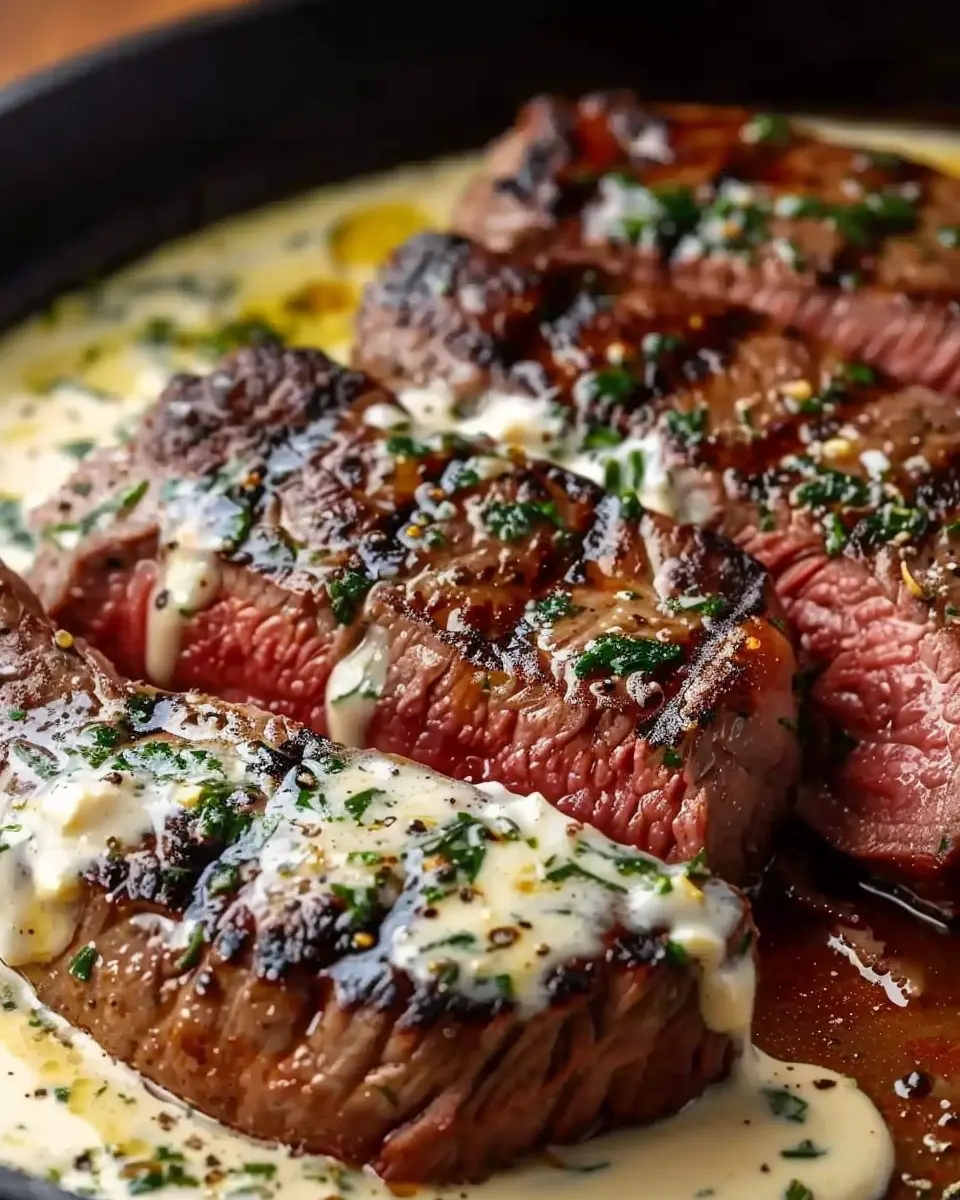
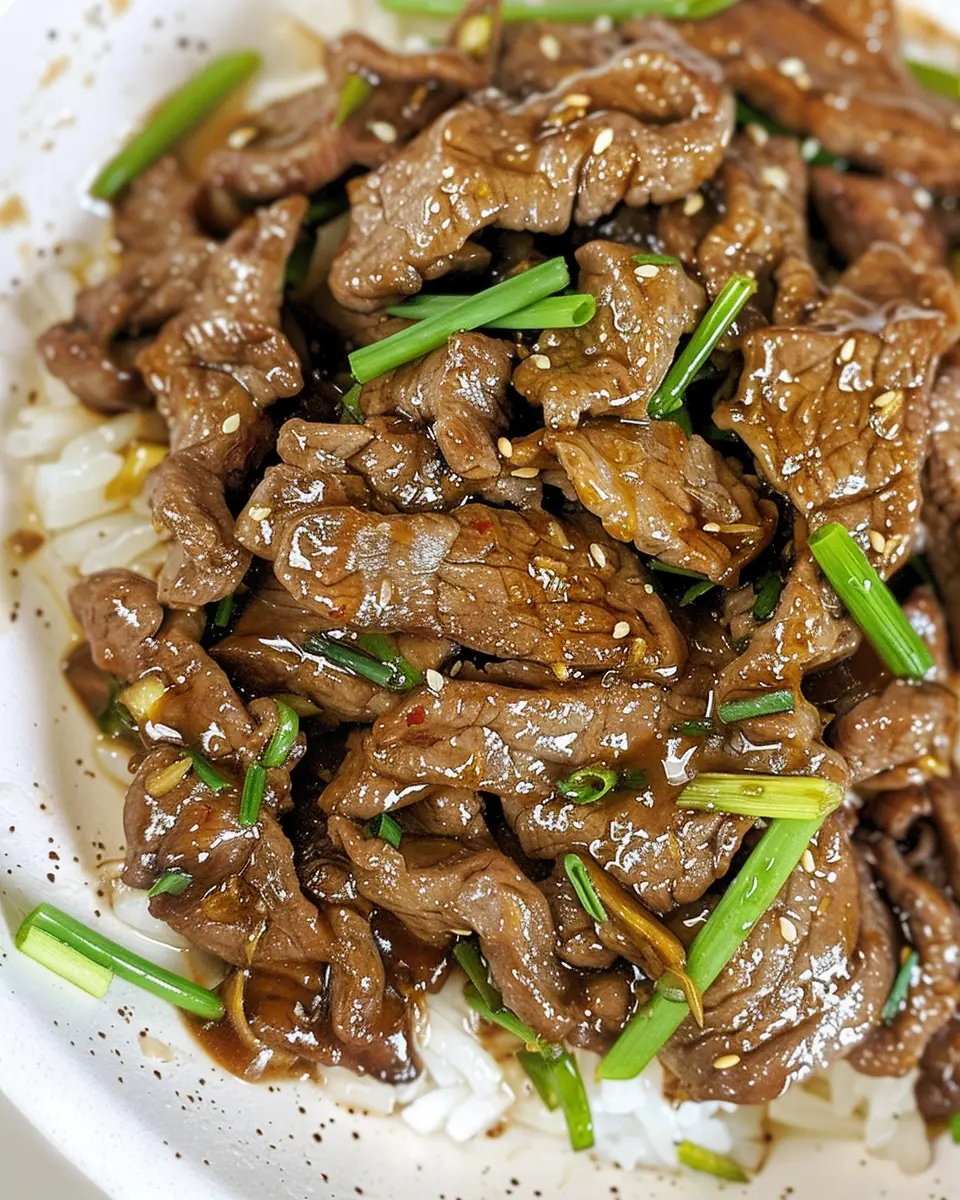
Introduction to Mongolian Beef
When it comes to comfort food that’s packed with flavor, Mongolian beef is an absolute crowd-pleaser. Imagine tender strips of beef, glistening in a rich, savory sauce, served over a bed of fluffy rice or noodles—it’s a dish that can transport your taste buds straight to your favorite Chinese restaurant. But why has Mongolian beef captured the hearts (and stomachs) of so many?
Why is Mongolian Beef a Fan Favorite?
First and foremost, the flavor profile of Mongolian beef is its standout feature. The dish combines savory soy sauce, sweet brown sugar, and a hint of ginger to create a perfectly balanced mix that draws you in from the first bite. But it’s not just about the sauce; the beef itself is often stir-fried until it’s beautifully caramelized, giving each piece a delightful crunch that contrasts wonderfully with its tender, juicy interior.
Another reason for its popularity is the ease of preparation. On a busy weeknight, the last thing most of us want to do is spend hours in the kitchen. Luckily, Mongolian beef can be whipped up in less than 30 minutes! With a handful of ingredients and a stir-fry technique, you can dazzle your family or friends without breaking a sweat. Plus, it’s a dish that allows for flexibility! Want to add some crisp vegetables like bell peppers or snap peas? Go for it! Keen to make it vegetarian? Substitute the beef for tofu or seitan and still achieve that same crave-worthy flavor.
For those looking to make healthier choices, you might be interested to know that many recipes easily adapt to use leaner cuts of beef or even plant-based alternatives. Websites like Serious Eats often have great variations on classic dishes, offering tips and tricks to keep things nutritious without sacrificing taste.
In a world where dining out can sometimes feel overwhelming (or just out of reach), creating a dish like Mongolian beef at home lets you take control of your meal while indulging in flavors that feel luxurious. So grab your wok, and let’s dive into whipping up this delightful entrée!
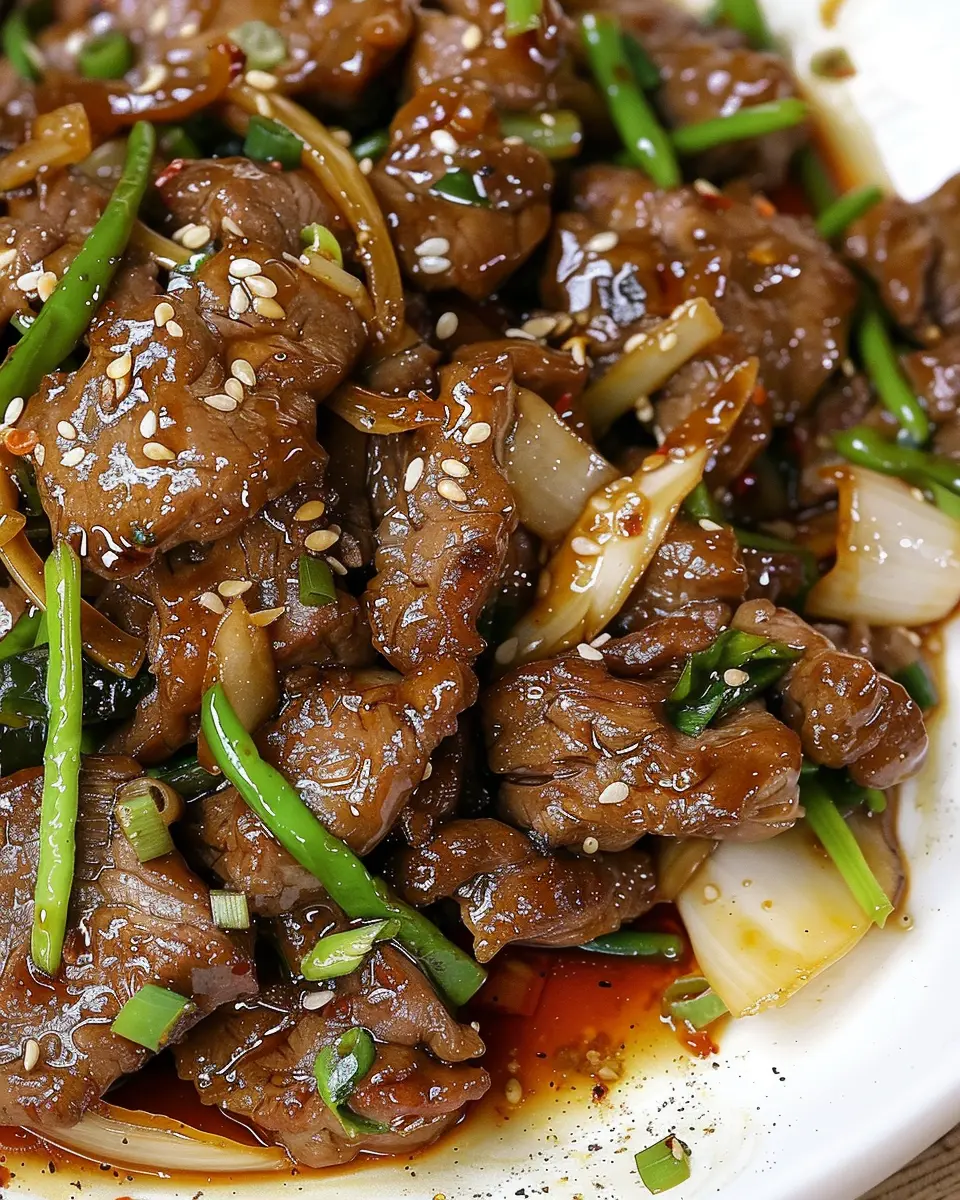
Ingredients for Mongolian Beef
Creating the perfect Mongolian beef dish starts with selecting the right ingredients. Here’s a breakdown to help you gather everything you need for a delicious meal.
Essential Ingredients for the Marinade
To really enhance the flavor of your beef, a proper marinade is key. For a tasty Mongolian beef marinade, you will need:
- 1 pound of flank steak (sliced thinly against the grain)
- 2 tablespoons soy sauce
- 1 tablespoon cornstarch
- 1 tablespoon water
This marinade ensures the beef absorbs all the great flavors you’ll be adding later.
Ingredients for the Sauce
The sauce is what makes Mongolian beef truly shine. For a rich, savory sauce, gather the following:
- 1/2 cup soy sauce
- 1/2 cup beef broth (or a reduced-sodium alternative)
- 1 tablespoon brown sugar
- 2 cloves garlic (minced)
- 1 teaspoon grated ginger
Check out Serious Eats for more insights on umami flavors!
Additional Ingredients for the Dish
Finally, don’t forget these additional ingredients that add texture and vibrancy:
- 2 green onions (sliced, for garnish)
- 2 tablespoons vegetable oil (for stir-frying)
- 1 bell pepper (color of your choice, sliced)
Now that you have everything on hand, you’re ready to whip up an amazing Mongolian beef dish that will impress friends and family alike! Happy cooking!
Step-by-Step Preparation of Mongolian Beef
Cooking a delicious home-cooked meal doesn’t have to be a chore, especially when it comes to whipping up some fantastic Mongolian beef. By following these simple steps, you’ll not only impress yourself but also anyone lucky enough to share your meal. Let’s dive right in!
Marinate the Beef
The secret to tasty Mongolian beef lies in how you prepare your ingredients, starting with the beef. Choose a tender cut, like flank steak or sirloin, and thinly slice it against the grain—this helps to ensure each bite is melt-in-your-mouth tender.
For the marinade:
- 2 tablespoons soy sauce
- 1 tablespoon cornstarch
- 1 teaspoon sesame oil
- A pinch of black pepper
In a bowl, mix these ingredients together until well combined. Add your sliced beef, ensuring every piece is coated. Let this marinate for at least 30 minutes, but if you can manage it, try for an hour. This step not only infuses flavor but also makes the beef more tender. Plus, it’s a good excuse to take a break and prepare other components of your meal. Consider using a quality soy sauce like Kikkoman or Tamari for a gluten-free alternative.
Prepare the Fried Vermicelli (Optional)
While your beef is marinating, you can prepare the fried vermicelli if you’re looking to elevate your dish. This step is optional, but it’s a delightful addition that complements Mongolian beef beautifully.
To make fried vermicelli:
- 200g dried vermicelli noodles
- Oil for frying
- Green onions, chopped for garnish
- Cook the noodles: Boil the vermicelli in water for about 3-4 minutes until just tender. Drain and rinse under cold water to stop the cooking process.
- Fry the noodles: Heat oil in a pan over medium heat. Add the cooked vermicelli and fry for a couple of minutes until golden and crispy, stirring often.
- Set aside: Remove the vermicelli from the pan and let them drain on a paper towel. Sprinkle with green onions for added flavor.
By adding this step to your Mongolian beef dish, you incorporate texture and a subtle crunch that contrasts nicely with the tender beef.
Cook the Mongolian Beef
Now, let’s bring everything together and cook your Mongolian beef.
You’ll need:
- 2 tablespoons vegetable oil
- 3 cloves garlic, minced
- 1 tablespoon ginger, minced
- 1/4 cup soy sauce
- 1/4 cup brown sugar
- Green onions, sliced for garnish
- Heat the pan: In a large skillet or wok, heat the vegetable oil over high heat.
- Cook the beef: Add the marinated beef in batches, ensuring not to overcrowd the pan. This will help achieve that beautiful sear. Cook for 2-3 minutes until browned before removing from the pan.
- Create the sauce: In the same pan, add garlic and ginger, stirring quickly to avoid burning. Add the soy sauce and brown sugar, stirring until the mixture is bubbly.
- Combine: Add the seared beef back into the pan and mix well until everything is coated in the sauce.
Final Touches and Combine
At this point, your kitchen is going to smell incredible. For the final touches:
- Serve: If you prepared fried vermicelli, create a bed with it on your serving plates.
- Plate the beef: Spoon the Mongolian beef right on top of the vermicelli, letting that rich sauce soak into the noodles.
- Garnish: Sprinkle with additional green onions for freshness.
Enjoying your homemade Mongolian beef with a side of steamed vegetables or a fresh salad can complete the meal. This dish is perfect for a busy weeknight dinner or an impressively quick weekend feast for friends.
And there you have it! A simple but satisfying journey to a flavorful plate of Mongolian beef. For more inspiration, check out Serious Eats for cooking tips and techniques that can elevate your home cooking game!
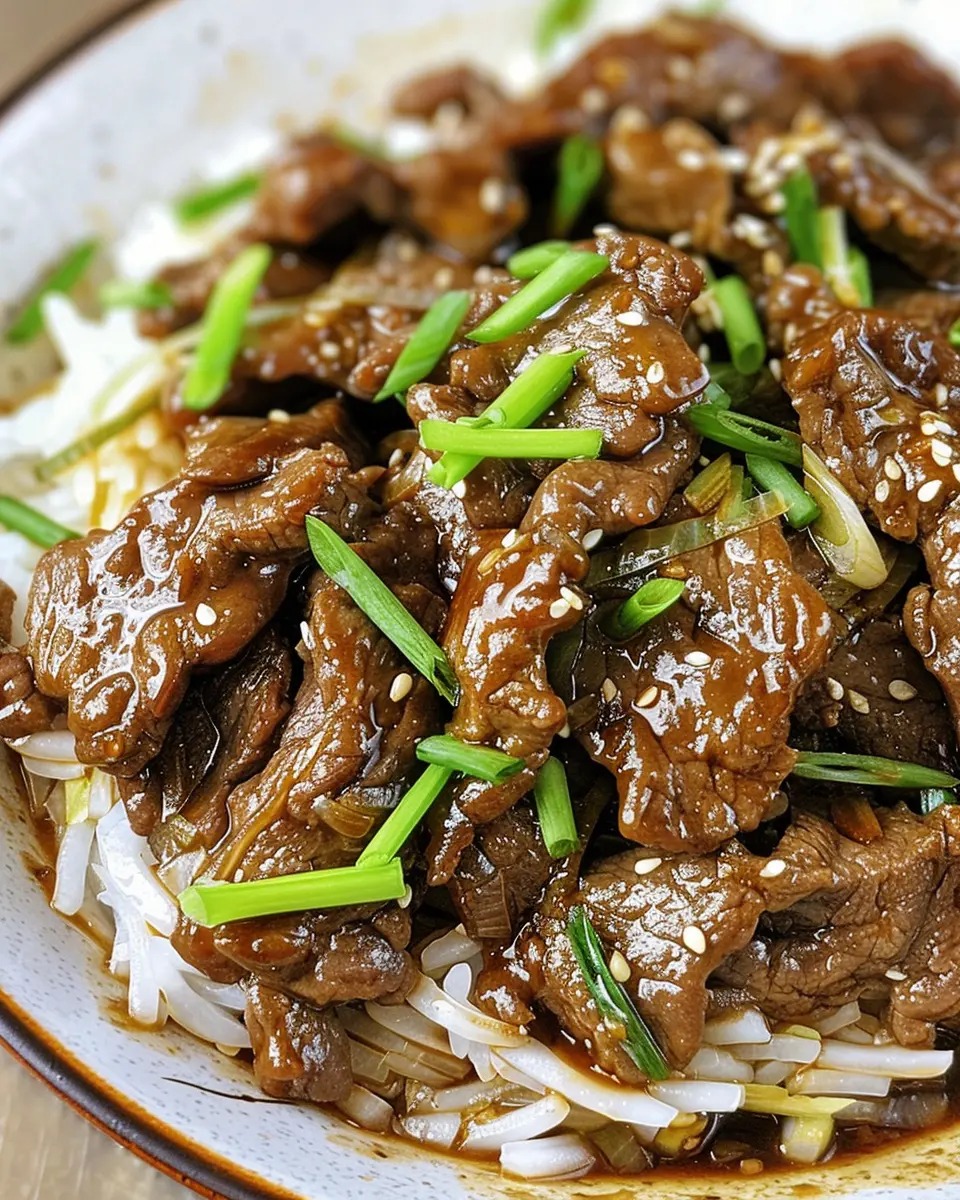
Variations on Mongolian Beef
When it comes to Mongolian Beef, there’s so much room to play with flavors and ingredients. Whether you’re a spice enthusiast or looking for a meat-free option, there’s a variation for you!
Spicy Mongolian Beef
Craving a kick? Try adding a bit of heat! For a Spicy Mongolian Beef version, consider including chili flakes, sriracha, or even fresh sliced jalapeños to your sauce. This boosts not only the flavor but also the excitement of the dish. Just a pinch of heat can transform those tender beef slices into a fiery feast! A little goes a long way, so start small and adjust to your taste. And remember, balance is key – pair it with steamed rice to tone down the spice.
Vegetarian Mongolian Beef
You don’t need to miss out on this dish if you’re avoiding meat! For Vegetarian Mongolian Beef, swap the beef for plant-based proteins like tofu or seitan. Marinating these alternatives in a similar sauce will help infuse those fantastic flavors. Adding a medley of colorful veggies like bell peppers and snap peas not only makes it healthier but also more vibrant. Experiment with your favorite vegetables and enjoy a meatless meal that’s just as satisfying and hearty!
Gluten-Free Mongolian Beef
Craving your favorite dish but need it gluten-free? No problem! Simply use gluten-free soy sauce or tamari instead of regular soy sauce for your Mongolian Beef. You can thicken your sauce with cornstarch or arrowroot powder instead of traditional options. Not only does this tweak make the meal friendly for gluten-sensitive friends, but it still tastes remarkably delicious!
Check out more variations to suit your dietary needs for a delightful experience (Forks Over Knives). With these delightful twists on Mongolian Beef, you can indulge in flavors you love while accommodating your preferences!
Cooking Tips and Notes for Mongolian Beef
Tips for Slicing the Beef
To ensure your Mongolian beef is tender and flavorful, slicing your beef correctly is essential. Always slice against the grain—this means cutting perpendicular to the lines running through the meat. This technique helps break down the muscle fibers, making every bite more enjoyable. A sharp knife is key here, so consider investing in one if you don’t have it yet!
How to Achieve Optimal Flavor
For a delicious flavor explosion, marinate your beef for at least 30 minutes before cooking. A mixture of soy sauce, brown sugar, and garlic works wonders. If you’re looking to level up the flavor, add a splash of ginger or some crushed red pepper flakes for a gentle kick. Cooking your beef at high heat ensures it caramelizes nicely and enhances that coveted taste.
Storage Tips for Leftovers
If you have any Mongolian beef left, store it in an airtight container in the refrigerator. It will keep well for up to 3-4 days. If you want to preserve it longer, consider freezing leftovers. Just make sure to use freezer-safe containers and consume them within three months for the best taste and texture! Reheating in a skillet over medium heat can bring back that fresh flavor.
For more culinary tips, check out Serious Eats or Bon Appétit for inspiration!
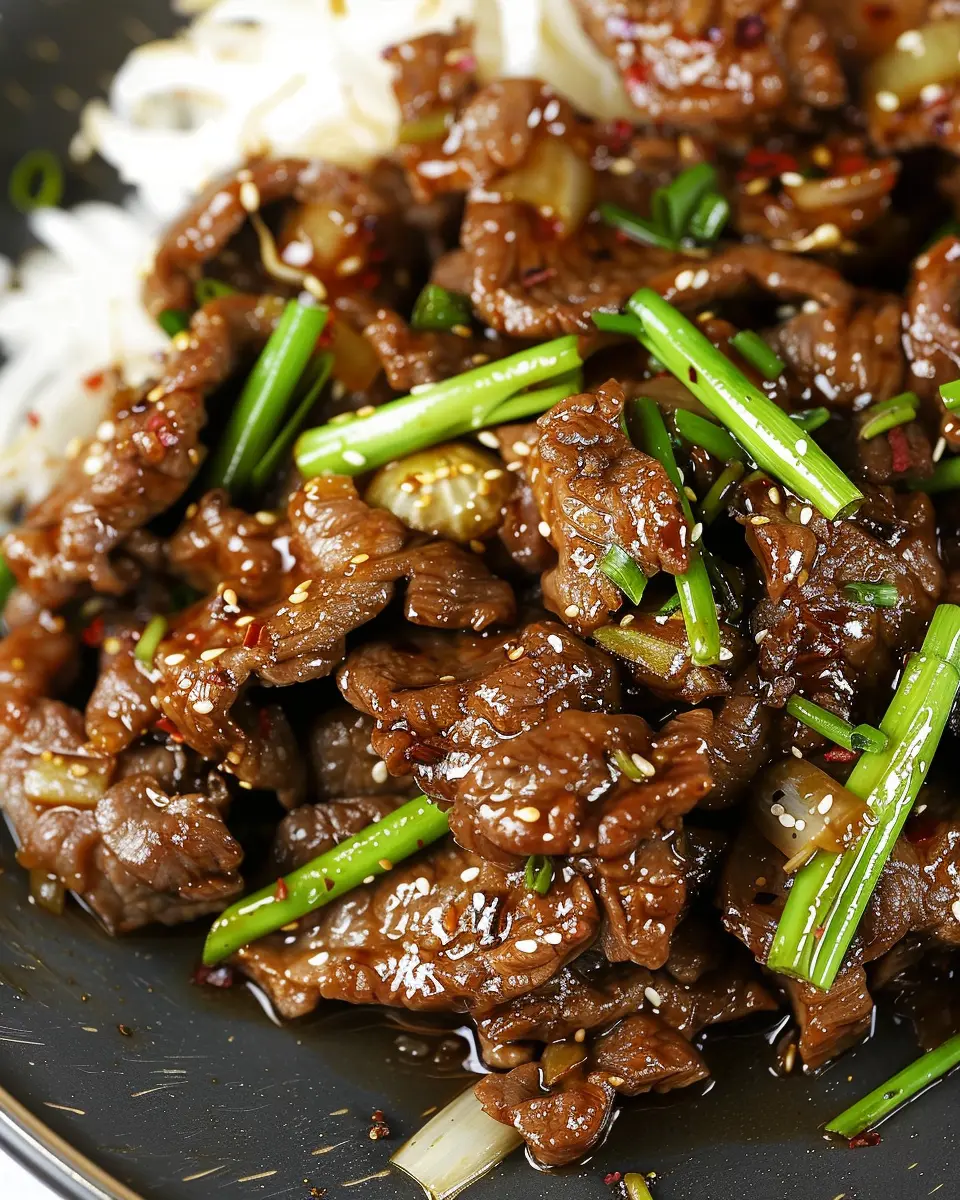
Serving Suggestions for Mongolian Beef
Best Pairings for Mongolian Beef
When it comes to Mongolian beef, the right pairings can elevate your dish from delicious to unforgettable! Consider serving it alongside your favorite stir-fried vegetables, such as bell peppers, broccoli, or snow peas. These veggies not only add a pop of color but also a delightful crunch that complements the tender beef. For a more traditional experience, you might opt for steamed bok choy or cabbage, which are staples in many Asian cuisines.
Serving on Fried Rice Noodles or Rice
Now, let’s talk about how to serve it. Mongolian beef shines when laid over a bed of fried rice noodles or fluffy white rice. The noodles soak up the savory sauce beautifully, making each bite a burst of flavor. If you’re looking for a healthier twist, brown rice or even cauliflower rice can be a great substitute, offering a nutty flavor and extra nutrients.
Garnishes to Enhance the Dish
Lastly, don’t forget the garnishes! A sprinkle of sliced green onions can add a fresh finish, while sesame seeds provide a subtle nuttiness that enriches the overall experience. Feel free to add a dash of chili flakes for a spicy kick, or even fresh cilantro to brighten things up. These small touches will not only make your Mongolian beef visually appealing but also enhance the flavors!
By keeping these serving suggestions in mind, you can create a meal that’s both satisfying and visually stunning. For more tips on enhancing Asian dishes, check out resources like Serious Eats and The Woks of Life. Happy cooking!
Time Breakdown for Making Mongolian Beef
Preparation Time
Getting ready to whip up your Mongolian beef doesn’t take long! You’ll spend about 15-20 minutes gathering ingredients and prepping your veggies and meat. Dicing your beef and slicing green onions can be done while your rice is cooking.
Cooking Time
The cooking process for Mongolian beef is speedy—just around 10-15 minutes. Sizzling the beef in a hot pan enhances the flavors, and you’ll want to stir-fry it until it’s perfectly tender.
Total Time
All in all, you’re looking at a total time of about 30-35 minutes from prep to plate. Perfect for a busy weeknight dinner! This quick yet delicious game changer gives you a satisfying meal without too much fuss.
If you’re interested in exploring more delicious meal ideas, check out this resource on quick Asian recipes.
Nutritional Facts for Mongolian Beef
When diving into the delicious world of Mongolian Beef, it’s essential to know what you’re feeding your body. Below, I’ll break down the nutritional values so you can enjoy this dish guilt-free.
Calories
A typical serving of Mongolian Beef contains around 300-400 calories, which makes it a fantastic option for a hearty meal without going overboard.
Protein
Packed with flavor and nutrition, this dish provides approximately 25-30 grams of protein per serving. That’s a solid choice for those looking to meet their daily protein needs!
Sodium
However, be mindful of the sodium content, which can be around 800-1000 mg. If you’re watching your sodium intake, consider using low-sodium soy sauce or adjusting seasonings to suit your health goals.
For a deeper dive into nutritional information, you can check out resources like NutritionData and MyFitnessPal for personalized insights.
FAQs about Mongolian Beef
Can I use a different cut of beef?
Absolutely! While flank steak is the traditional choice for Mongolian beef due to its tenderness and flavor, you can substitute it with other cuts. Consider sirloin or ribeye, which can offer a rich taste and a satisfying chew. Just make sure to slice the beef thinly against the grain to ensure it remains tender, no matter which cut you choose.
How do I customize the sweetness?
A hallmark of Mongolian beef is its delightful sweetness, but you can tailor it to your preference! If you prefer a less sweet dish, reduce the amount of brown sugar, or opt for a sugar substitute. Alternatively, adding a dash of soy sauce can balance out the sweetness, creating a more savory flavor profile. You could even try using honey or maple syrup for a unique twist on the traditional recipe—just adjust the quantities to taste!
What’s the best way to store and reheat leftovers?
Leftover Mongolian beef can be a delicious treat for days to come! To store, place it in an airtight container in the fridge for up to three days. For longer storage, consider freezing it, where it can last for about two months. When it’s time to reheat, either microwave it covered on medium heat or warm it gently on the stove, adding a splash of water or broth to keep it moist. Enjoy those tasty leftovers!
For more tips on beef cuts, check out this resource. If you’re keen to dive deeper into flavor adjustments, you can find additional suggestions here.
Conclusion on Mongolian Beef
Why You Should Try Making It at Home
Making Mongolian beef at home is not just about enjoying a delicious meal; it’s about the experience! You can customize the flavors to suit your taste buds, making it as spicy or sweet as you like. With simple ingredients and quick preparation, weeknight dinners become something special.
Have you ever wondered why restaurant meals sometimes feel out of reach? The joyful twist of a homemade version offers not only satisfaction but also cost savings. Plus, it’s a fun recipe to share with friends or family over a weekend gathering. Trust me, once you try this dish at home, take a look at this resource for expert cooking techniques—you’ll wonder why you didn’t start earlier!
PrintMongolian Beef Made Easy: A Flavorful Twist on a Classic Dish
This Mongolian Beef recipe offers a delicious twist on the classic dish, making it simple and enjoyable to prepare.
- Prep Time: 30 minutes
- Cook Time: 15 minutes
- Total Time: 45 minutes
- Yield: 4 servings 1x
- Category: Main Dish
- Method: Stovetop
- Cuisine: Mongolian
Ingredients
- 1 pound beef sirloin, sliced thin
- 1/4 cup soy sauce
- 2 tablespoons brown sugar
- 1 tablespoon cornstarch
- 2 tablespoons vegetable oil
- 3 green onions, chopped
- 2 cloves garlic, minced
- 1 teaspoon ginger, minced
- 1/2 cup beef broth
Instructions
- In a bowl, combine the soy sauce, brown sugar, and cornstarch. Mix well.
- Add the sliced beef to the marinade and let it sit for at least 30 minutes.
- Heat the vegetable oil in a large skillet over medium-high heat.
- Remove the beef from the marinade and add it to the skillet, cooking until browned.
- Add the garlic, ginger, and beef broth to the skillet, stirring to combine.
- Cook for an additional 5 minutes, then add the green onions and cook for another minute.
- Serve hot over rice.
Notes
- You can adjust the sweetness by adding more or less brown sugar.
- For extra flavor, consider adding vegetables like bell peppers or broccoli.
Nutrition
- Serving Size: 1 plate
- Calories: 350
- Sugar: 5g
- Sodium: 800mg
- Fat: 15g
- Saturated Fat: 3g
- Unsaturated Fat: 10g
- Trans Fat: 0g
- Carbohydrates: 25g
- Fiber: 1g
- Protein: 30g
- Cholesterol: 80mg
Keywords: Mongolian Beef, Easy Mongolian Beef Recipe, Classic Mongolian Dish